Two Different Philosophies
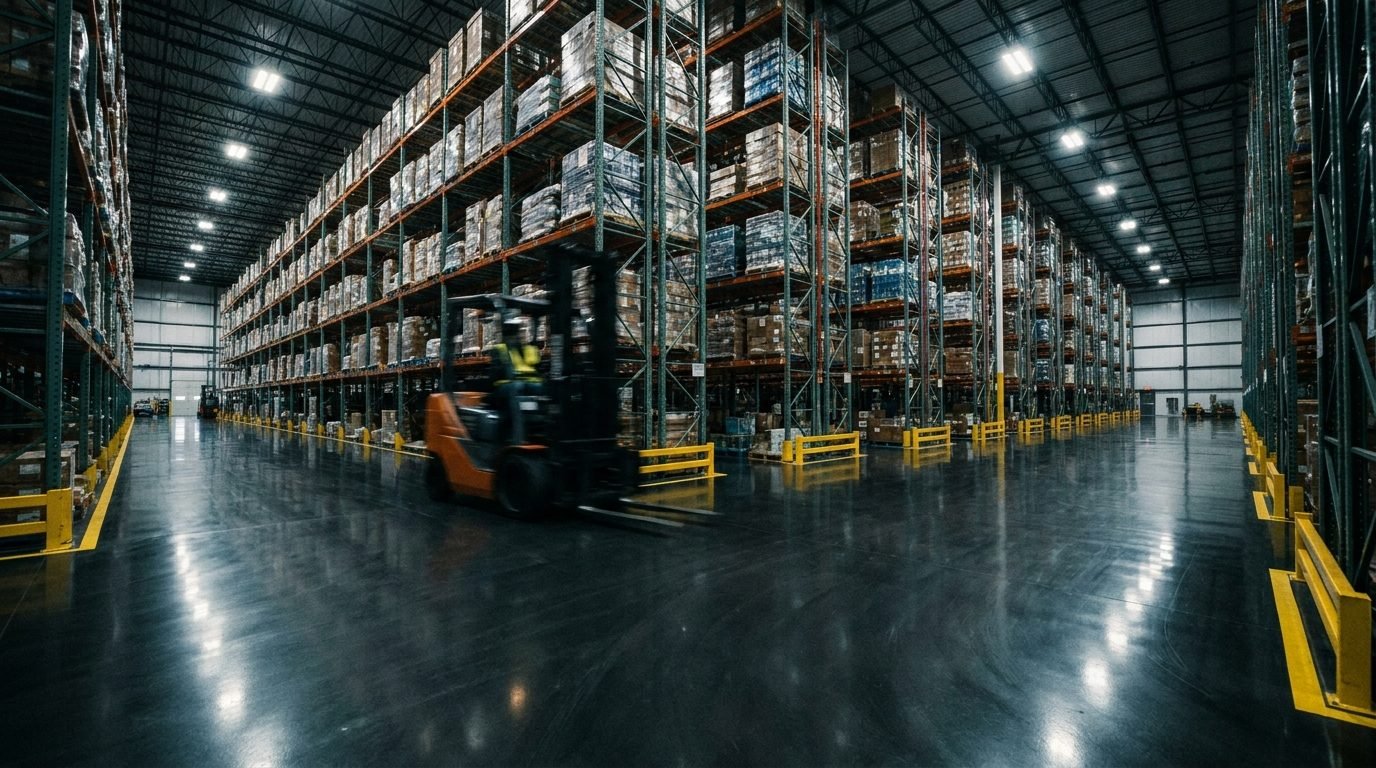
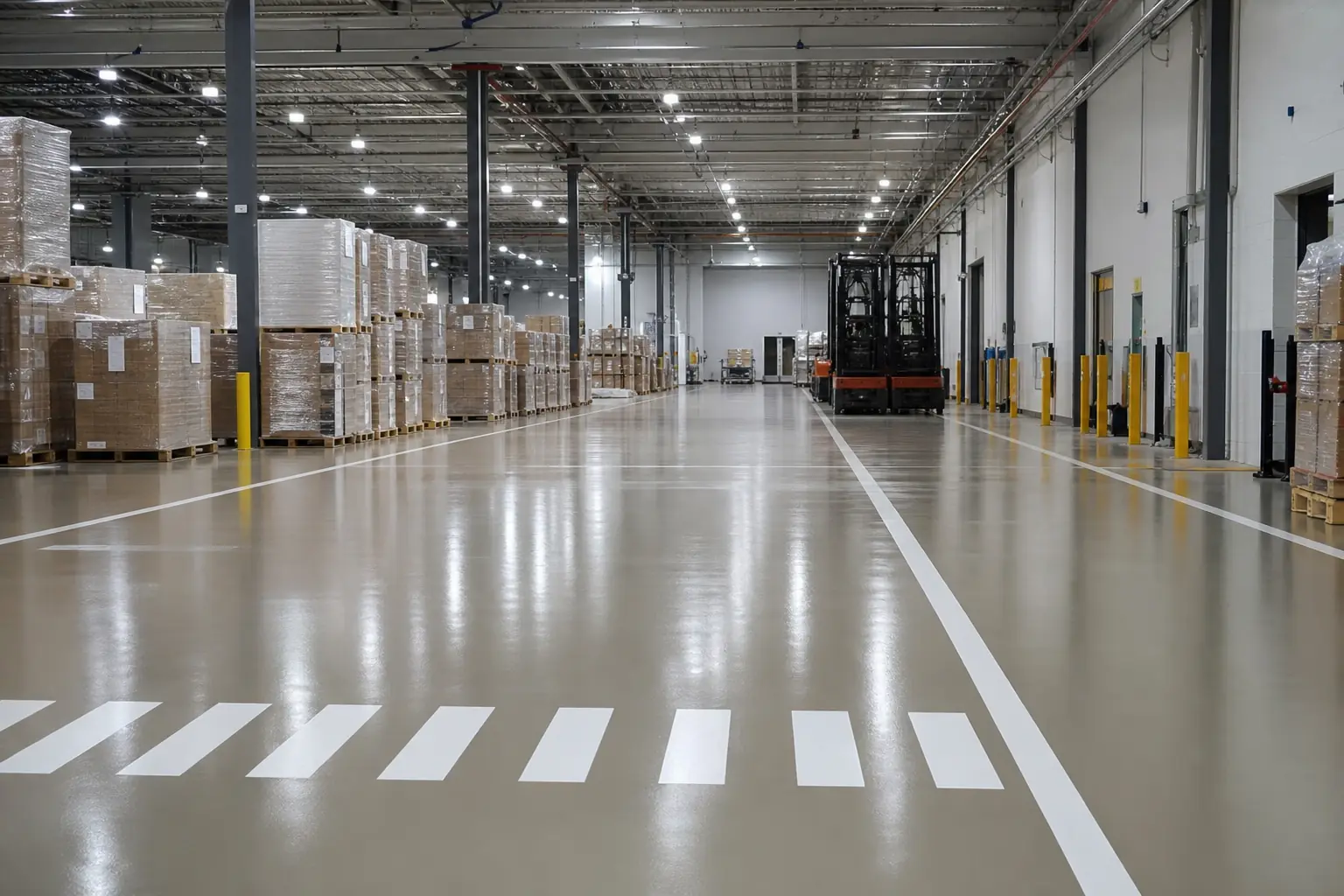
Polished concrete and metallic epoxy both produce a striking, upscale commercial floor, but they get there completely differently. Polished concrete grinds and densifies the existing slab itself into the finished surface. Metallic epoxy applies a resin coating with pigments that create movement and depth on top of the slab. Neither is objectively better — they suit different priorities.
Polished Concrete: The Case For It
Once installed, polished concrete requires essentially no recoating cycle — it's the slab itself, densified and polished, not a topical layer that can wear through. Maintenance is dust mopping and occasional damp cleaning, genuinely lower-effort than almost any other commercial flooring option long-term. The aesthetic is clean, architectural, and minimalist, which fits modern office and some retail brand identities very well.
Metallic Epoxy: The Case For It
Metallic epoxy produces a genuinely dramatic, dimensional finish — depth and movement in the color that polished concrete simply can't replicate, since it's a fundamentally different visual effect. Color range is also far wider; metallic epoxy can match almost any brand palette, where polished concrete's color options are more limited (dye-based, working with or against the existing aggregate). It also works well over a slab that isn't in ideal condition, where polished concrete needs a genuinely sound substrate to grind into a good finish.
Cost and Maintenance Comparison
Ask for the product name and purpose of every layer. Confirm the system’s suitability for the floor, sunlight exposure, desired texture, and maintenance needs.
Our Actual Recommendation Process
We look at your existing slab condition, your brand color requirements, and your budget together rather than defaulting to one system. A slab in rough shape with tight color requirements often points to metallic epoxy. A sound slab with a minimalist brand and a maintenance-conscious owner often points to polished concrete. We'll walk through both during your estimate with actual samples, not just a description.
Frequently Asked Questions
Ready to Get Started?
Free on-site estimate for commercial flooring projects throughout Palm Beach Gardens, Jupiter, Wellington, Lake Worth Beach, Boynton Beach & greater West Palm Beach. Written scope after review. Warranty terms supplied in writing on every installation.
Get Your Free EstimateRelated Articles